Grammer A1

Articles are a fundamental part of German language use. They make the German language more difficult, but also more unique. In this context, a distinction is made between definite and indefinite articles.

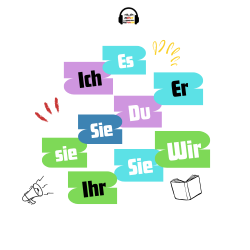
9 personal pronouns in German appear in the Nominativ. In the Nominativ case, they influence verb conjugation.

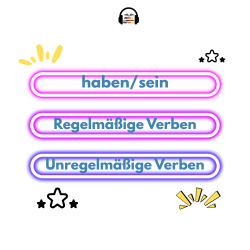
When conjugating verbs, one must distinguish between regular (weak) and irregular (strong) verbs.

What is the Nominativ? The Akkusativ? The Dativ? How can we distinguish between the three cases?

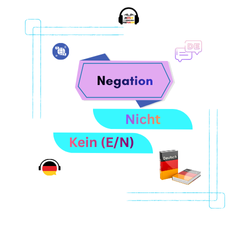
How can you negate a sentence in German? How are adjectives, adverbs, and nouns negated?

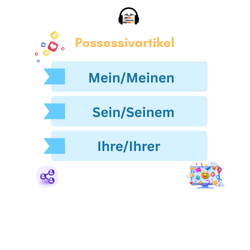
How are possessive articles derived? What influence do nouns and verbs have on possessive articles?

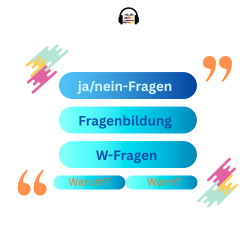
How do you form yes/no questions and wh-questions? What wh-words exist in German?

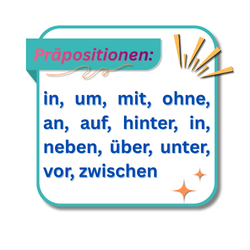
What prepositions exist in the German language? What is the difference between Dativ and Akkusativ prepositions? What are two-way prepositions?

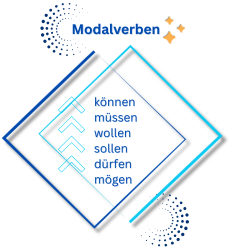
What are modal verbs? How do they affect sentence structure?

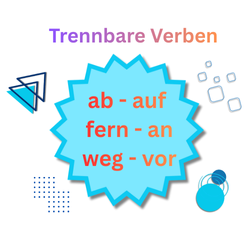
Trennbare Verben add a lot of flair to German sentences, but they are not as complicated in many other languages ​​as they are in German. What are Trennbare Verben? And how are they used?

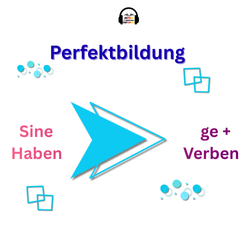
In German, the Perfekt tense is considered the most important past tense. How is it formed and which auxiliary verbs are used?

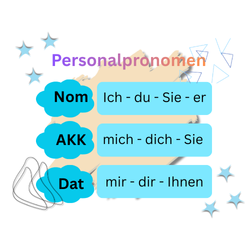
Personal pronouns do not only occur in the Nominativ. They can be used in the Akkusativ and Dativ cases, and their form changes accordingly.

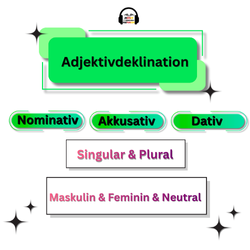
In German, the adjective must be adapted to the following noun, but how does that work?

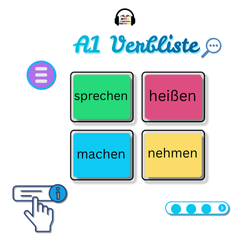
Here are the most important verbs in A1.

This exercise book contains all the exercises for A1 level on approximately 50 pages.

In this section you will find answers to your questions on all grammar topics in A1.

German Modeltests Practice

Scroll to Top